Ananta Real Estate Team
Recent reporting out of Beirut describes a striking contrast: new, high-end apartment towers rising in a city still grappling with conflict and a prolonged economic crisis. Developers are pressing ahead with premium residential projects even as the wider economy remains under strain.
For anyone watching regional property markets, this is a familiar pattern. When local currencies lose value and institutions feel unstable, real estate often becomes one of the few assets people trust to hold value. Builders respond to that demand, even when the broader economic backdrop looks uncertain.
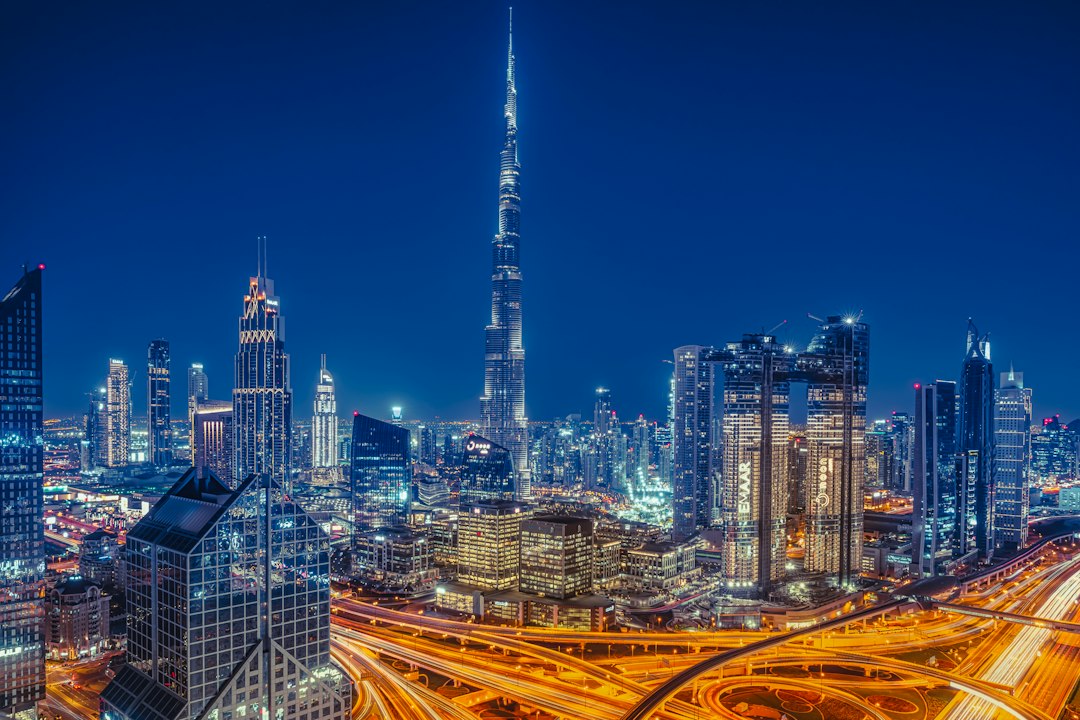
It also says something about where that capital eventually looks to go. Buyers across the Levant and wider region have long treated property as a way to protect wealth, and many have historically looked beyond their home markets to do it. Dubai has been a consistent beneficiary of that instinct, offering a stable currency peg, clear ownership laws, and a transparent sales process that markets under economic pressure often cannot match.
None of this is a comment on Beirut specifically, nor a prediction about where its market goes from here. It is simply a reminder of why Dubai continues to attract capital from across the region during periods of instability elsewhere. Investors are not just buying an apartment. They are buying predictability.
For Dubai-based buyers and investors, the takeaway is less about Beirut and more about understanding the broader regional appetite for safe, well-documented real estate. That demand has been a steady undercurrent in Dubai's market for years and shows little sign of changing.
If you are weighing how regional dynamics like this might affect your own plans, whether buying, selling, or simply reassessing your portfolio, the Ananta team is happy to talk through what it means for you.